
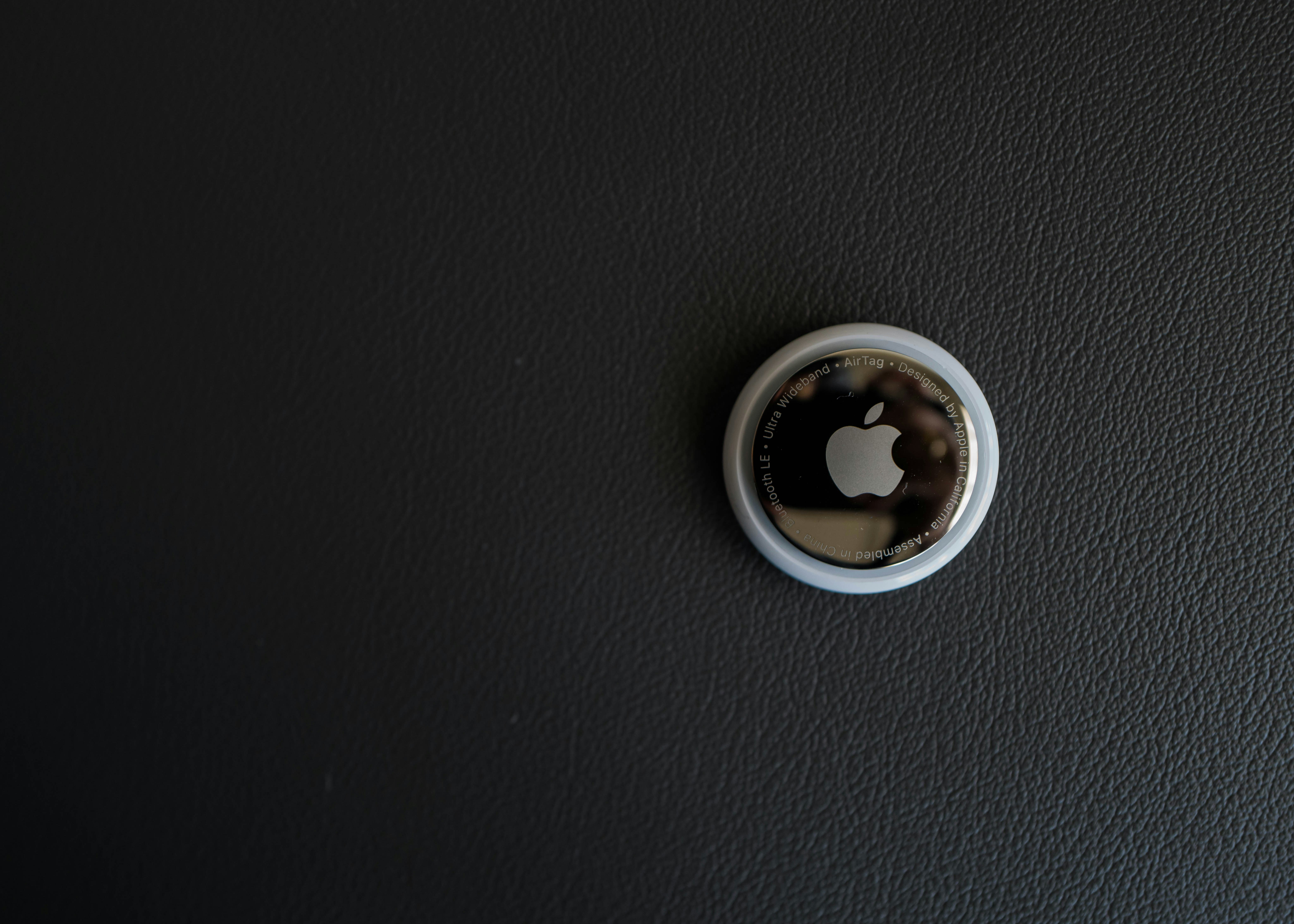
Introduction to Apple AirTag 2nd Generation
The Apple AirTag serves as a compact tracking device designed to assist users in locating and keeping track of personal items, such as keys, backpacks, and luggage. Launched initially in 2021, the AirTag quickly garnered attention for its seamless integration with Apple’s existing ecosystem, notably the iPhone. This cutting-edge technology utilizes Bluetooth and the company’s extensive Find My network, enabling users to efficiently pinpoint their belongings even in challenging or public environments.

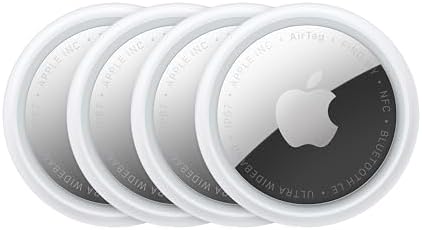

The problem of misplacing personal items is a common issue that many individuals encounter. In modern society, where people often juggle various responsibilities and possessions, losing items can lead to frustration and inconvenience. The AirTag was meticulously designed to alleviate this problem, tapping into an informal yet practical solution for everyday challenges. Users can attach the device to valuable objects, allowing them to utilize their smartphones to track those items swiftly.
The 2nd generation Apple AirTag was released in early 2026, building upon the success of its predecessor while implementing improved technology and features. Initial reactions from users and the tech community have been largely positive, noting enhancements in accuracy and battery life among other upgrades. Many have praised the updated tracking capabilities and the user-friendly interface that Apple is renowned for.
This guide aims to provide a comprehensive overview of the Apple AirTag 2nd Generation, detailing its features, improvements, and the overall user experience. Readers can expect in-depth insights on functionality, compatibility, and other pertinent information to help them maximize the utility of this innovative tracking device.
Expected Features and Enhancements
The anticipated release of the 2nd generation
is generating excitement among users and tech enthusiasts alike. One of the most notable improvements expected in this iteration is the design. The new model is rumored to feature a sleeker, more sophisticated look that aligns with Apple’s aesthetic standards, enhancing both functionality and style. Additionally, the material options may expand, potentially introducing more durable and eco-friendly materials to cater to a wider audience.
Battery life is another critical area of enhancement. The 1st generation AirTag offered a commendable battery performance; however, users are hopeful that the 2nd generation will further extend usage time. This improvement could ensure that the AirTag remains operational for longer periods without requiring frequent battery replacements, making it an even more convenient accessory.
Functionality enhancements are also on the list of expected features. The integration of advanced tracking accuracy is believed to be one of the primary upgrades. Utilizing the latest in ultra-wideband technology, users can anticipate a more precise experience when locating their belongings. Furthermore, the user interface may see significant improvements, potentially offering a more intuitive navigation system that makes it easier for users to track their items seamlessly.
In addition to hardware advancements, it is expected that the integration with Apple’s ecosystem will be enhanced. Compatibility across iOS and other Apple devices is likely to be streamlined, allowing users to leverage every aspect of connectivity that Apple’s platform offers. As AirTags become a more fundamental utility in everyday life, these anticipated enhancements might position the 2nd generation model as an indispensable tool for Apple users, reinforcing the convenience of operating within the Apple ecosystem.
Comparing AirTag 2 with the First Generation
The Apple AirTag has garnered attention since its initial release, establishing itself as a popular solution for locating lost items. With the launch of the AirTag 2nd generation, a comparison with its predecessor is essential to understand the advancements and enhancements Apple has made in this iteration.
Design-wise, the AirTag 2 maintains a similar circular aesthetic as the first generation, which is sleek and minimalistic. However, users have noted subtle improvements in build quality and durability, responding to concerns regarding the susceptibility of the original model to scratches and wear. The second generation introduces a matte finish that not only enhances grip but also reduces glare, making it more user-friendly in various lighting conditions.
Performance is another critical area where the second generation shines. Equipped with upgraded precision finding technology, the AirTag 2 offers more accurate tracking capabilities, thanks to its enhanced ultra-wideband (UWB) technology. This improvement allows users to pinpoint their items with greater accuracy, enabling a smoother experience when locating them in crowded or cluttered spaces. Feedback from first-generation users highlighted challenges in locating items with precision, prompting Apple’s advancements in this latest version.
In terms of battery life, the AirTag 2 claims a slight improvement, offering a longer-lasting battery than its predecessor. Users frequently expressed dissatisfaction regarding battery longevity, and as a result, Apple has enhanced the efficiency of the device, making it a more practical option for regular use. The new AirTag also boasts upgraded software capabilities, integrating user feedback to provide a more intuitive app interface, thereby enhancing overall user experience.
Ultimately, whether these advancements justify an upgrade from the first generation largely depends on individual preferences and usage. For new buyers, the enhancements offer a compelling reason to invest in the latest model. However, existing AirTag users may find the difference less compelling, potentially viewing their current version as adequate for basic tracking needs.

Is the AirTag 2 Worth It? Pros and Cons
The Apple AirTag 2nd Generation has newly positioned itself within the market as an advanced tracking device, designed to help users locate their belongings efficiently. Assessing whether it is worth the investment revolves around understanding its features against its price point. The AirTag 2 is priced competitively, particularly for those embedded in the Apple ecosystem. With seamless integration into iOS devices, users can effortlessly track items using the Find My app, which is a strong advantage.
Among the notable benefits is the enhanced precision offered through Ultra Wideband technology—an improvement over its predecessor, making it easier to pinpoint the exact location of tagged items. Additionally, the device now boasts a longer battery life and improved water resistance, which adds to its durability and practicality. The replaceable battery feature also ensures that users can maintain their AirTag for an extended period without having to purchase a new unit, thus adding to its cost-effectiveness.
Conversely, one must consider the limitations and potential downsides. While the AirTag 2 excels in performance, its reliance on the Apple ecosystem can be restrictive for non-Apple users. The features are largely optimized for iOS, which can detract from the experience for those who use Android or other platforms. Privacy concerns also linger, as misuse of tracking devices is a significant topic of discussion. Although Apple has implemented features to combat tracking without consent, users still need to be vigilant about their privacy. Moreover, competitive alternatives often offer broader compatibility and varied functionality that may better cater to specific needs outside of Apple’s ecosystem.
In evaluating these pros and cons, individuals should consider their own tracking requirements and existing infrastructure. For Apple users who prioritize functionality and seamless integration, the AirTag 2 represents a compelling investment. However, those relying on other platforms may find better alternatives available in the market.